The Pump Behind the Porcelain: Mapping Sanitation’s Quiet Dependence on the Grid
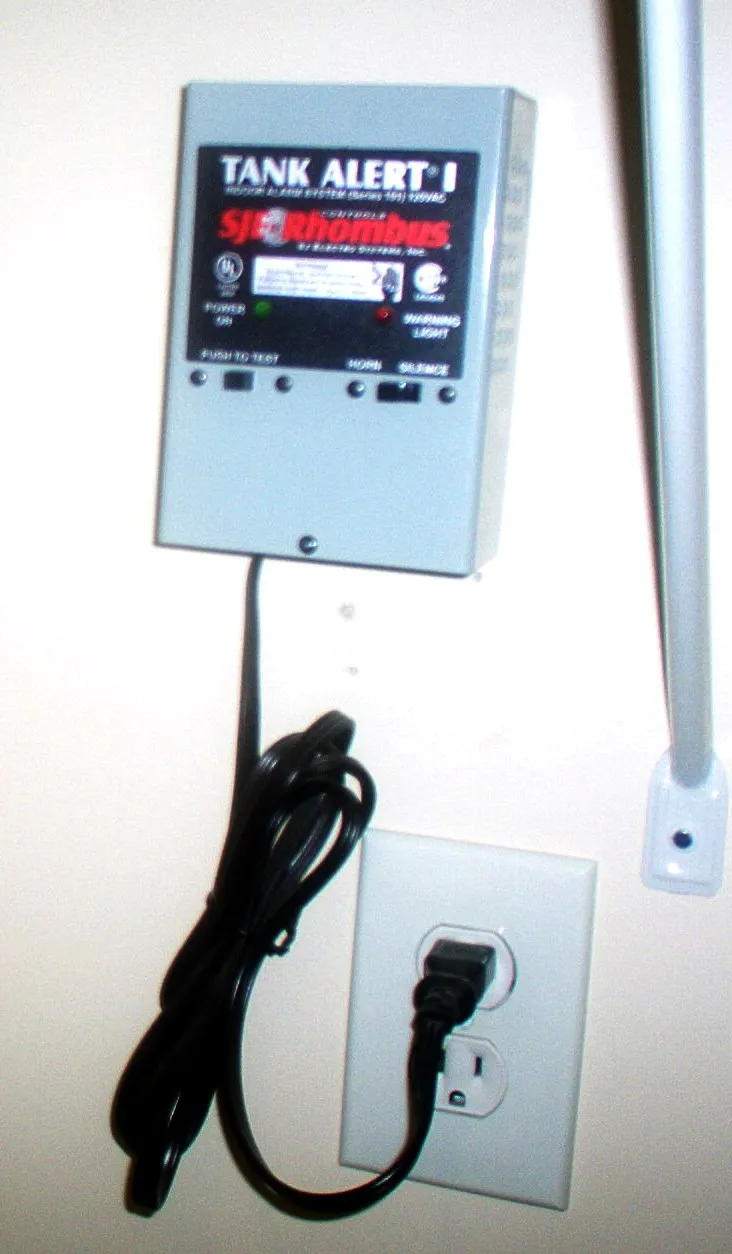
Photo: Unknown, CC BY-SA 3.0, via Wikimedia Commons
Sanitation is often imagined as a passive system: water goes down the drain, waste leaves the house, and the matter is settled somewhere else. For a substantial share of American homes, that assumption is incomplete. Wastewater may need to be ground, lifted, aerated, or dosed by electrically powered equipment before it ever reaches a drainfield or a small treatment unit. When the grid goes down, the toilet may still flush once or twice. Then the quiet machinery behind the porcelain stops—and the consequences begin to back up.
Global Awareness Map’s interest here is not a single dramatic failure but a pattern that is hard to see until it is mapped. Septic-system density, utility outage frequency, flood exposure, and household income are usually tracked by different agencies, in different formats, for different purposes. Overlaid, they begin to reveal where sanitation is not merely a private property concern but a hidden piece of public infrastructure vulnerability.
Why a Power Outage Becomes a Sanitation Problem
Conventional gravity-fed septic systems can function for a short time without power because they rely on slope and soil. But many modern or site-constrained systems do not. A grinder pump macerates waste and pushes it uphill or long distances to a sewer main or treatment unit. An effluent pump moves liquid from a dosing tank to a drainfield. Aerobic treatment units use blowers to maintain the biological process. Small package plants serving a cluster of homes may depend on pumps, controls, and alarms.
When electricity fails, storage capacity becomes the deciding factor. A well-maintained system with adequate tank volume may hold for a day or more if water use is sharply reduced. A system already stressed by high groundwater, tree roots, or deferred maintenance may surcharge much sooner. The result can be sewage backing up into tubs and floor drains, alarms sounding in basements, or untreated waste surfacing in yards and ditches. In flood conditions, the same equipment may be submerged or electrically unsafe even after power returns.
These are not only household inconveniences. Raw or partially treated sewage carries pathogens and nutrients. It can contaminate wells, surface water, and recreational areas. For neighbors, the exposure is often invisible until sampling or smell reveals it.
What the Map Layers Reveal
A useful sanitation-outage map would begin with the location and type of decentralized wastewater systems. State and local permitting records vary widely, but many jurisdictions maintain septic permit databases, install dates, system types, and parcel-level records. Those data can be aggregated to protect privacy while still showing density and equipment dependence.
The second layer is outage frequency and duration. Utility reliability metrics, such as the average duration of interruptions, are typically reported at the utility or county level. They do not identify individual homes, but they can indicate where backup power and emergency planning deserve closer attention. The third layer is flood risk: regulatory flood maps, observed high-water marks, and projected inundation areas. The fourth is household income, which shapes the ability to buy a generator, install a battery backup, pay for emergency pumping, or replace a failed unit.
Where these layers intersect, a recognizable pattern emerges. Sanitation dependence on electricity is often highest in rural fringe areas, mobile home communities outside centralized sewer service, low-lying coastal plain neighborhoods, and older subdivisions built before modern setback and treatment standards. These are also places where utilities may have long restoration times after storms and where local governments may have limited inspection capacity.
Mapping does not prove causation. It does, however, identify where the questions should be asked: Which systems have alarms? Which require power for every flush? Which communities have no written outage contingency plan? Where are the households least able to absorb a repair bill?
Flood and Power Failures Compound
Flooding creates a particularly difficult sequence. Saturated soil can prevent a drainfield from accepting effluent even if the pump works. High groundwater can buoy or damage tanks. Floodwater can short controls and contaminate components. Meanwhile, roads may be closed, and service trucks may not reach the property for days.
Past storms have shown how quickly wastewater concerns follow widespread power loss. After Hurricane Harvey in 2017, Texas officials reported numerous wastewater treatment disruptions and septic system failures across flooded areas. Hurricane Florence in 2018 similarly strained decentralized systems in the Carolinas. These events are not predictions; they are reminders that sanitation resilience is part of emergency management, not a separate private matter.
Who Absorbs the Cost
The burden is uneven. A homeowner with savings, a backup generator, and a service contract has options. A renter may not know what type of system serves the property or who is responsible for maintenance. A low-income household may delay a $600 pump repair until it becomes a $10,000 replacement. Small municipalities may lack an inventory of systems, let alone a plan for emergency pumping or portable sanitation.
This is why the map matters for local planners as well as residents. Sanitation failure can become a public health event, a water-quality problem, and a housing habitability issue at the same time. The response requires coordination among health departments, utilities, emergency managers, and housing agencies.
Action Guide for Homeowners
First, know what kind of system you have. Look for a pump tank, grinder pump, aerator, alarm box, or control panel. Keep the installer’s information and maintenance records where you can find them. If you rent, ask the property owner or manager in writing.
Second, prepare for short outages. Confirm that alarms have working batteries or backup power. Ask a qualified technician whether a battery backup, small generator, or manual override is appropriate for your system—and never improvise electrical work. Keep a written plan for reducing water use: postpone laundry and dishwashing, take short showers, and avoid unnecessary flushing. Have a bucket or portable toilet option for extended outages, and follow local disposal guidance.
Third, protect the system during floods. Do not pump a tank while surrounding groundwater is high unless a professional advises it. Avoid driving heavy equipment over drainfields. After floodwater recedes, have electrical components inspected before restoring power. Document damage with photographs for insurance or assistance programs.
Action Guide for Local Planners
Build an inventory. Even a coarse map of septic density and system types is more useful than no map. Pair it with utility outage data and flood zones, then identify priority areas for outreach.
Coordinate before the next emergency. Health departments, wastewater utilities, and emergency managers should agree on who receives reports of failing systems, how emergency pumping is authorized, and where portable sanitation can be staged. Include decentralized systems in hazard mitigation plans and public messaging.
Finally, design programs around ability to pay. Inspection assistance, repair cost-sharing, and replacement funding can prevent small failures from becoming neighborhood-scale contamination. Reliable sanitation is not only a matter of plumbing. It is a matter of knowing where the grid, the ground, and the household budget meet—and planning for the moment when one of them fails.